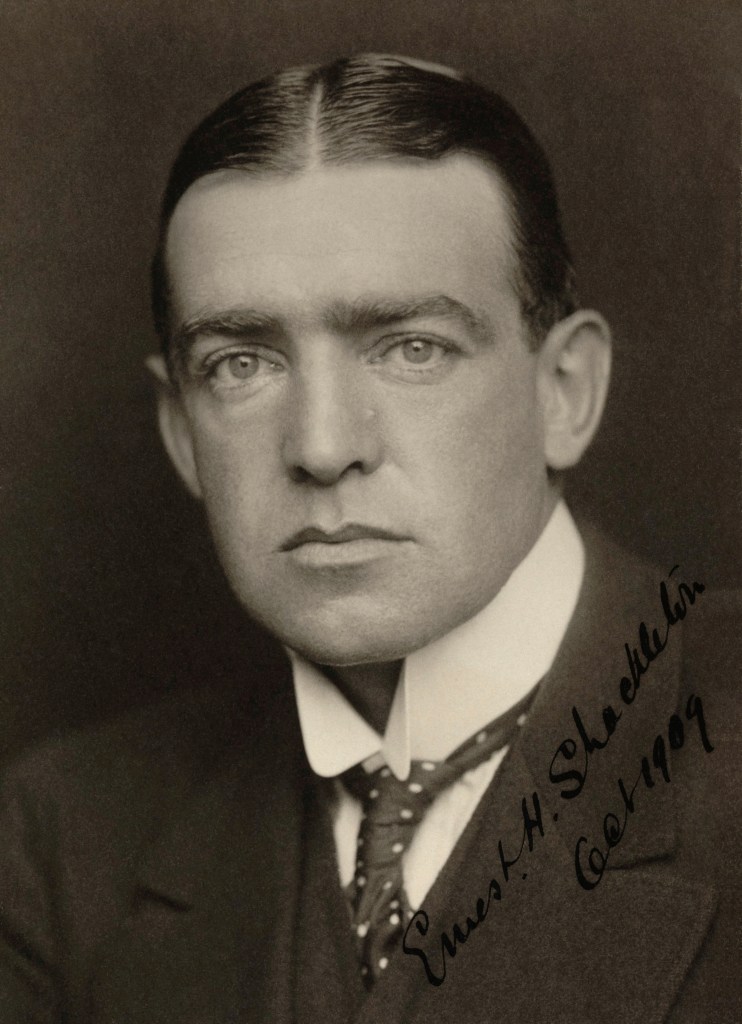
Steve Jobs did not talk like a motivational poster. He talked like a restless builder who had already been fired by his own company: vivid, impatient, sometimes tender, and always circling back to the work and the next thing worth making. This Founder Voice Card collects how he actually sounded, in short lines verified in Brent Schlender and Rick Tetzeli’s Becoming Steve Jobs, the book behind Deeply Driven’s Steve Jobs episode.
How he talked
Word choice. He sounded like a man thinking out loud, not like a speechwriter. He leaned on plain, emphatic words: great, bozo, let’s go for it, just make it great. He reached for homely pictures when a feeling was large: Apple as a love affair, a computer as something you could have built yourself, a product that, if you did the job right, could last forever. He could also be blunt to the point of crude.
Rhythm. In conversation he often starts mid-thought and then snaps shut on a short line. Let’s go for it. Just make it great. If we go with mine, it’ll become about me. The Stanford commencement address is more polished, but the landings are the same: I had been rejected, but I was still in love. Your time is limited. Keep those landings when you quote him.
Humor. He told on himself, and he used a mordant giggle when the subject was grim. Asking a reporter to explain his absence from a meeting, he said, “Just tell them I’m being an asshole. That’s what they’ll probably be thinking anyway, so why not just say it?” The joke is dry and a little sharp, not a polished one-liner.
Cursing. He did not stay clean. Asshole and bozo were in his working vocabulary, and he could be rougher still in private. Do not turn him into a ranter, and do not scrub out the occasional coarse word when the scene is his.
In his own words
Fourteen of Steve’s own lines, in life order.
Quotes are drawn from Brent Schlender and Rick Tetzeli, Becoming Steve Jobs: The Evolution of a Reckless Upstart into a Visionary Leader (2015). Most come from Jobs’s conversations with Schlender; a few are from the 2005 Stanford commencement address, which the book reprints.
“It gave one the sense that one could build the things that one saw around oneself in the universe. These things were not mysteries anymore.”
Brent Schlender and Rick Tetzeli, Becoming Steve Jobs (2015), chapter 1, “Steve Jobs in the Garden of Allah.” On what he learned from his father’s workbench and from building Heathkits as a boy. He added that you could look at a television and think, “I haven’t built one of those, but I could.”
“I didn’t want to be a businessman because all the businessmen I knew I didn’t want to be like.”
Becoming Steve Jobs, chapter 2, “I Didn’t Want to Be a Businessman.” Something he told Schlender several times, looking back on his first years at Apple.
“What’s the point in looking back? I’d rather look forward to all the good things to come.”
Becoming Steve Jobs, Prologue. From an email to Schlender. The authors note that, while he was introspective, he was not inclined to retrospection.
“Apple is like an intense love affair with a girl you really, really like, and then she decides to drop you and go out with someone who’s not so neat.”
Becoming Steve Jobs, chapter 4, “What’s Next.” What he admitted after being forced out of Apple in 1985.
“In most businesses, the difference between average and good is at best two to one. In software, it’s at least 25 to one.”
Becoming Steve Jobs, chapter 4. Told to Schlender during the NeXT years. He went on, “The difference between the average programmer and a great one is at least that… And when you’re in a field where the dynamic range is 25 to one, boy, does it pay off.”
“Just make it great.”
Becoming Steve Jobs, chapter 5, “A Side Bet.” His answer when John Lasseter came to him for approval of the budget on the short film Tin Toy.
“At our heart, we really are a content company. Let’s go for it. This is why I bought into Pixar.”
Becoming Steve Jobs, chapter 6, “Bill Gates Pays a Visit.” What he told the Pixar staff when he decided to leave the hardware business and bet the company on animation.
“If you do your job right, what you create can last forever.”
Becoming Steve Jobs, chapter 7, “Luck Woody.” Said to Lasseter when Pixar was preparing to go public, comparing a computer’s short life with a film that can endure.
“If we go with mine, it’ll become about me, and this can’t be about me. It’s about the company.”
Becoming Steve Jobs, chapter 9, “Maybe They Had to Be Crazy.” What he told Lee Clow the morning after both men had recorded the “Think Different” narration, choosing Richard Dreyfuss’s version over his own.
“I didn’t see it then, but it turned out that getting fired from Apple was the best thing that could have ever happened to me.”
Becoming Steve Jobs, chapter 13, “Stanford.” From the commencement address at Stanford on June 12, 2005. Just before this he says, “I had been rejected, but I was still in love.”
“You have to trust that the dots will somehow connect in your future. You have to trust in something — your gut, destiny, life, karma, whatever.”
Becoming Steve Jobs, chapter 13. Also from the Stanford address. He adds, “This approach has never let me down, and it has made all the difference in my life.”
“Your time is limited, so don’t waste it living someone else’s life.”
Becoming Steve Jobs, chapter 13. From the Stanford address, in the story about death. He follows it with, “Don’t be trapped by dogma, which is living with the results of other people’s thinking.”
“Stay Hungry. Stay Foolish.”
Becoming Steve Jobs, chapter 13. The close of the Stanford address. He is quoting the farewell message of The Whole Earth Catalog, which he says he had always wished for himself, and now wished for the graduates.
“Just tell them I’m being an asshole. That’s what they’ll probably be thinking anyway, so why not just say it?”
Becoming Steve Jobs, chapter 17, “Just tell them I’m being an asshole.” Said to Schlender in December 2008, after a mordant giggle, when Jobs asked him to explain why he would miss a meeting.
Famous quotes Steve Jobs never said
These circulate under his name. The wording is not his, or no speech or interview has been found as a source. Do not use them as Steve’s words.
“Innovation distinguishes between a leader and a follower.” The sentence is not in Becoming Steve Jobs. It is widely repeated on quote sites and in later roundups. A CNN collection published on October 4, 2012, listed it by pointing to Carmine Gallo’s book The Innovation Secrets of Steve Jobs, not to a speech or interview of Jobs’s own. No primary talk or interview has been found as a source for this polished one-liner.
Other circulating one-liners are left out of this section because they cannot be fairly documented as misattributions.
Hear the story
These lines come to life in Deeply Driven Episode #36, on Becoming Steve Jobs:
The founder page is deeplydrivenpodcast.com/steve-jobs.